Welcome to The Medical Scheduling Department LLC
The Medical Scheduling Department LLC (TMSD) provides administrative scheduling coordination for Florida accident-injury care. Through AccidentDoc4U.com, we help consumers connect with participating providers for an evaluation after an accident, based on factors such as location, availability, and individual preferences.
We also educate consumers about Florida’s generally applicable 14-day PIP evaluation timeframe. An injured person generally must be evaluated by a licensed provider within 14 days of an accident to preserve potential eligibility for certain PIP benefits; eligibility depends on the individual’s policy and circumstances.
Our role is to simplify the scheduling process so consumers can focus on recovery while attorneys, providers, and insurers handle their respective legal, medical, and coverage decisions. TMSD is not a medical provider or law firm and does not provide medical or legal advice, diagnose injuries, recommend treatment, or guarantee benefits or outcomes.
Get Help After Your Accident
If you’ve recently been in a car accident in Florida, it’s important to seek medical attention as soon as possible. Florida law requires accident victims to receive medical treatment within 14 days to qualify for certain insurance benefits.
Complete the form to your left to get connected with a medical professional who can help you begin your recovery.
Need Help Right Now? Call or Text to Get Connected With a Local Provider
Our Medical Scheduling Specialist is available to help you find a provider near you.
Florida Roads Can Be Dangerous
The 14-day Florida PIP clock starts on the day of the Auto Accident: Not when pain OR symptoms begin.
Doctor First, Attorney Second: An attorney is not required before a doctor appointment. A medical evaluation within 14 days may help activate eligible Florida PIP benefits, with up to $10,000 possibly available, subject to policy terms and Florida law. The evaluation can also help determine whether an injury exists. Afterward, you may decide whether to consult a personal injury attorney.

Why Florida Roads are a Different Beast in 2026
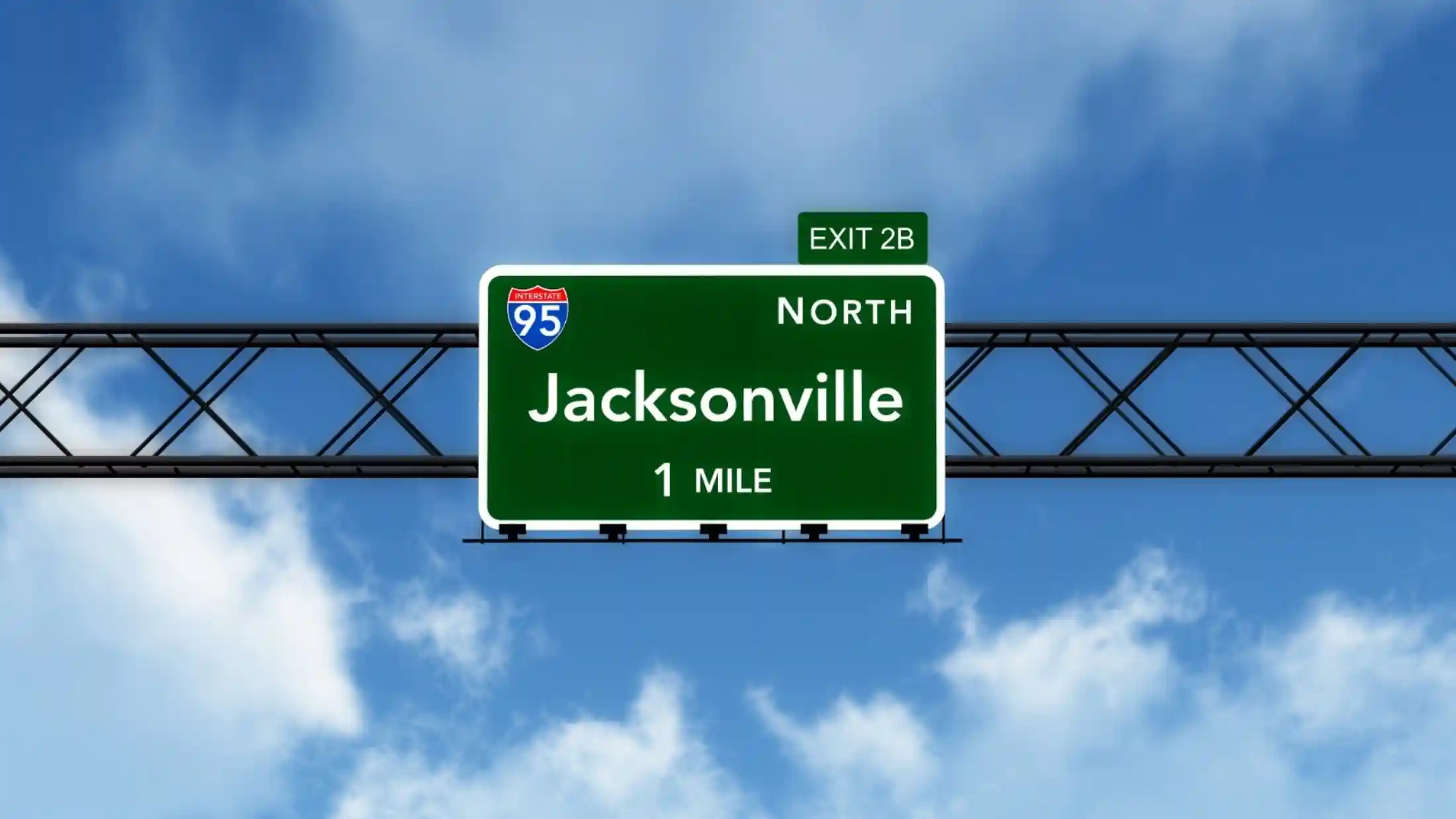
Driving in Florida has always been a bit of a sport, but recent data from 2025 and early 2026 shows that our local "hot spots" are more congested than ever. With the continued expansion around the North side and the constant construction on the Southside, accidents on the Buckman Bridge or the I-95/ I-10 interchange have become daily occurrences. When you’re hit on these high-speed roads, the force transferred to your body is significant. Even if, your car only has a scratched bumper, your neck and spine have likely absorbed thousands of pounds of pressure. This is why "I feel fine right now" is the most dangerous phrase in Florida auto injury recovery.
Common Injuries: More Than Just a "Sore Neck"
After a crash or a rear-end collision, your body goes through a lot. Here are the most common issues OUR PARTICIPATING CLINICS see:
Whiplash Evaluation & Care
Whiplash is the most common auto injury, yet it’s the most misunderstood. It happens when your head is whipped forward and back (or side to side) faster than the blink of an eye. This stretches and tears the ligaments and muscles in your neck.


Traumatic Brain Injuries (TBI)
Think a concussion only happens in a high-speed wreck? Not true. Even a low-speed crash can cause your brain to move (or “bounce”) inside the skull. That sudden movement can lead to a concussion or a traumatic brain injury (TBI), and it doesn’t always show up right away.
Back Pain Evaluation & Care
Whether it’s a dull ache in your mid-back or a sharp pain that makes it hard to sit, back injuries are a major roadblock. Often, the impact causes a disc to bulge or herniate


Sciatica & Nerve Pain
Ever feel a shooting pain or "pins and needles" going down your leg after a crash? That’s likely sciatica. The impact can shift your lower spine or pelvis, pinching the sciatic nerve.
FAQ's
**Got Questions? Find Clear Answers Below.**
How long do I have to see a doctor after a car accident in Florida?
Under Florida’s Personal Injury Protection (PIP) law, you must seek medical treatment within 14 days of the accident. If you wait longer than 14 days, you may lose access to the $10,000 in medical coverage provided by your auto insurance policy
What are the most common injuries after a car accident?
Some of the most common injuries after an auto accident include:
Whiplash
Back injuries
Herniated or bulging discs
Traumatic brain injuries (TBI)
Sciatica and nerve pain
These injuries may not appear immediately and symptoms can develop days after the accident
What is whiplash?
Whiplash occurs when the head moves suddenly forward and backward during a collision. This motion can strain or tear muscles and ligaments in the neck.
Common symptoms include:
Neck pain
Headaches
Dizziness
Blurred vision
Treatment often includes soft tissue therapy, gentle spinal adjustments, and rehabilitation exercises.
Can a minor accident still cause serious injuries?
Yes. Even low-speed accidents can cause injuries such as concussions, whiplash, or spinal misalignments. Symptoms may not appear immediately, which is why it’s important to get evaluated as soon as possible after a crash.
What symptoms should I watch for after a car accident?
Some symptoms may appear hours or days after an accident. Watch for:
Headaches
Dizziness
Back or neck pain
Numbness or tingling in arms or legs
Difficulty concentrating
Sleep disturbances
If any of these symptoms appear, you should seek medical evaluation immediately.
How can I find the right doctor after a car accident?
Finding the right provider can be difficult because not all doctors treat auto accident injuries. A referral service can help connect accident victims with qualified medical providers who understand injury documentation, treatment, and insurance requirements.
Meet Rhonda Casaletto

Founder and CEO, The Medical Scheduling Department LLC
Rhonda Casaletto is a Jacksonville, Florida business-development professional and Certified Professional Coder with extensive experience in medical billing, healthcare administration, medical imaging, provider relations, and practice development.
Throughout her career, Rhonda has worked closely with medical providers and healthcare organizations to improve administrative processes, strengthen communication, and support efficient patient-service operations. Her professional experience includes leadership roles in business development, medical imaging administration, medical-legal coordination, and medical billing.
Rhonda is the founder and CEO of The Medical Scheduling Department LLC, a 100% women-owned company serving Florida’s accident-injury community. Through AccidentDoc4U.com, TMSD provides administrative scheduling coordination to help accident victims connect with participating medical providers for timely evaluations following an accident.
Disclaimer:
The Medical Scheduling Department operates as an information service network. Please note that The Medical Scheduling Department is not a medical entity and cannot provide medical advice. Selection criteria for our network of participating providers include, but are not limited to, Florida licensure, specialization, and geographic proximity. These factors, alongside user-defined preferences, determine the order of the clinics provided. While we provide data to help you choose a physician based on your specific needs, The Medical Scheduling Department does not recommend or endorse specific professionals. By using our service, you assume full responsibility for your choice of medical professional.

