Passenger in a Florida Car Accident? You Have Your Own $10,000 in PIP Benefits , Here's What to Do
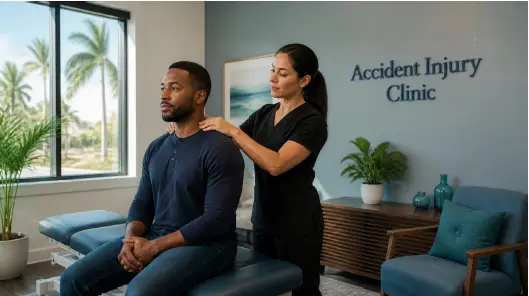
If you were sitting in the passenger seat when the crash happened, you may still feel the blur of adrenaline: the sharp snap of the seat belt, the jolt of impact, the ringing silence afterward, and the sudden question, “What do I do now?”
You may also be wondering whether the driver’s insurance covers you, whether you have your own PIP benefits, or whether you should wait until your neck or back feels worse.
Here is the most important thing to know: Florida passengers may be eligible for Personal Injury Protection (PIP) benefits after a covered car accident, even if they were not driving and even if they did not cause the crash.
But there is a hidden rule you cannot afford to overlook.
You generally must receive initial medical services and care within 14 days of the accident to qualify for Florida PIP medical benefits.
What Is PIP Insurance in Florida?
Florida Personal Injury Protection (PIP) is a type of no-fault automobile insurance. In general, PIP is designed to help pay certain medical expenses and lost income after a covered motor vehicle accident, regardless of who caused the collision.
According to the Florida Highway Safety and Motor Vehicles insurance information, Florida PIP generally covers:
• 80% of reasonable and necessary medical expenses, up to the applicable policy limit
• 60% of lost income and earning capacity, subject to policy and statutory limits
• Certain additional services in place of household tasks you can no longer perform
• Up to $10,000 in combined medical and disability benefits, depending on the applicable coverage and medical findings
As a passenger, you are not automatically left without coverage simply because someone else was driving.
Under Florida Statute § 627.736, required PIP coverage includes named insureds, certain household relatives, vehicle operators, passengers in the motor vehicle, and certain pedestrians injured by a vehicle.
Important clarification about “your own” $10,000
The insurance policy that applies to your injury depends on Florida’s coverage and priority rules. It may involve:
• The policy covering the vehicle you occupied
• Your own Florida automobile policy, if applicable
• A household family member’s policy, depending on the circumstances
• Other available coverage identified by an insurance professional
Do not assume you have no benefits because you were only a passenger. Do not assume the full $10,000 is automatically available, either. Your eligibility, policy language, medical findings, and the facts of the crash all matter.
The Florida PIP 14-Day Rule: Your Vital Deadline
The Florida PIP 14-day rule is one of the most important deadlines after a car accident.
Under Florida law, you generally need to receive qualifying initial services and care within 14 days after the motor vehicle accident. If you wait too long, your insurer may deny PIP medical benefits, even if your symptoms later become severe.
Think of the deadline like a gate that closes. Your symptoms may walk through later, but your claim may not.
Do not wait for pain to become unbearable before arranging an evaluation.
The 14-day period can pass quickly, especially when you are dealing with:
• Vehicle repairs
• Insurance calls
• Police reports
• Work responsibilities
• Childcare
• Travel between places such as Tampa and Brandon
• Heavy traffic along I-4, US-19, Dale Mabry Highway, or the Selmon Expressway
• Delayed soreness that does not appear until the next morning
If you were injured near a busy Florida intersection, such as US-1 and Broward Boulevard, Colonial Drive and John Young Parkway, or Okeechobee Boulevard and Military Trail, the moments after the collision can feel chaotic. Your medical deadline, however, continues moving quietly in the background.
Why “I Feel Fine” Does Not Always Mean You Are Uninjured
Many passengers say they feel fine immediately after a crash. That is common. It is also not a reliable injury test.
Adrenaline can temporarily turn down the body’s warning signals. A passenger may walk away from a collision without realizing that the neck was strained or the back was compressed.
Symptoms may appear hours or days later, including:
• Whiplash-related neck pain or stiffness
• Headaches
• Shoulder or upper-back pain
• Lower-back pain• Muscle spasms
• Numbness or tingling
• Pins-and-needles sensations in the arms or legs
• Dizziness or difficulty concentrating
• Pain when turning your head
• Sleep disruption
• Jaw or facial discomfort after seat-belt impact
Whiplash is not simply “a sore neck.” In a sudden collision, your head can move rapidly while your torso is restrained. It is somewhat like a heavy ball attached to a flexible rod, the body stops, but the head keeps moving.
That rapid motion can affect muscles, ligaments, joints, and other structures. An evaluation helps a qualified medical professional document what happened and determine whether follow-up care or diagnostic imaging is appropriate.
What to Do After a Florida Passenger Injury
1. Check for emergencies first
Call 911 or seek emergency care immediately for serious symptoms such as:
• Loss of consciousness
• Severe or worsening headache
• Confusion
• Trouble breathing
• Chest pain
• Severe bleeding
• New weakness or paralysis
• Loss of bladder or bowel control
• Suspected fracture
• Severe abdominal pain
If the situation is not an emergency, you should still arrange a timely medical evaluation.
2. Identify the available PIP policy
Gather whatever information you can:
• The vehicle owner’s insurance company
• The driver’s name and policy information
• Your own auto insurance information, if you have a policy
• The crash report number
• Photos of the vehicles and accident scene
• Names and contact information for witnesses
You do not need to understand every insurance rule before asking for help.
3. Schedule initial care within 14 days
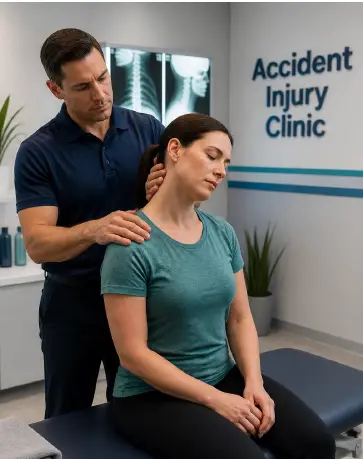
A Florida accident injury clinic can help coordinate an evaluation and, when appropriate, X-rays to assess injuries and determine necessary follow-up care.
The Medical Scheduling Department assists Florida accident victims in connecting with specialized chiropractors who accept Florida PIP insurance. You can learn more about AccidentDoc4U or call:
855-SCHED-IT (855-724-3348)
4. Describe all symptoms honestly
Tell the medical professional about every symptom, even if it seems minor. Mention when it started, what makes it worse, and whether it affects work, driving, sleep, or daily activities.
Do not exaggerate. Do not minimize. Clear information helps your provider make appropriate medical decisions and create an accurate record.

What the $10,000 PIP Limit Does, and Does Not, Mean
Florida PIP law provides up to $10,000 in medical and disability benefits under qualifying circumstances. However, the medical portion may be affected by an Emergency Medical Condition (EMC) determination.
In general:
• If an authorized provider determines that you have an EMC, medical benefits may be available up to $10,000
• If an EMC is not determined, medical benefits may be limited to $2,500
• PIP generally pays only a percentage of covered, reasonable, and necessary expenses
• Deductibles, policy terms, claim limits, and coverage priority can affect payment
The $10,000 figure is a maximum, not a guaranteed cash payment. It is also not a substitute for appropriate medical care or legal advice.
Keep the 14-Day Deadline Visible
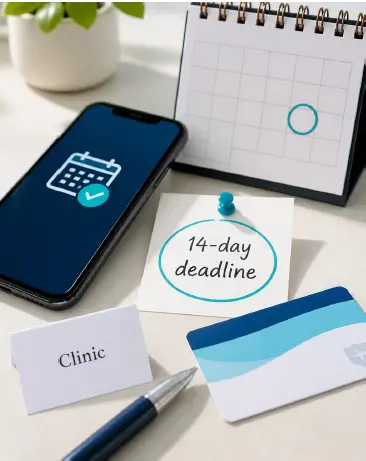
If your accident happened recently, write down the crash date and count forward. Keep the information with your phone, calendar, or insurance documents.
A simple checklist:
• Record the exact accident date
• Call 855-SCHED-IT
• Arrange an evaluation as soon as possible
• Bring your insurance information
• Keep copies of medical records and bills
• Follow the provider’s recommendations
• Notify the appropriate insurer promptly
• Speak with a Florida attorney if you have questions about liability, serious injuries, or a disputed claim
Frequently Asked Questions
Do passengers have PIP insurance in Florida?
Passengers may be covered under Florida’s required PIP framework, subject to applicable coverage and priority rules. The policy that applies depends on factors such as the vehicle occupied, your household, and whether you have your own automobile insurance.
Do I need my own car insurance to receive PIP benefits as a passenger?
Not necessarily. Passenger coverage may be available through the policy covering the vehicle you occupied or another applicable policy. Because priority rules can be fact-specific, gather all insurance information and request guidance promptly.
What if I feel fine after the crash?
You should still monitor yourself closely and consider a timely evaluation. Adrenaline can mask symptoms, and feeling fine immediately does not prove that you are uninjured.
What if my pain started after 14 days?
Seek medical attention for your symptoms, but understand that the Florida PIP 14-day rule can affect eligibility for PIP medical benefits. A healthcare provider can address your medical needs, and a qualified Florida insurance or personal injury attorney can explain your legal options.
Can a chiropractor perform the initial PIP evaluation?
Florida Statute § 627.736 identifies a licensed chiropractic physician as one type of provider who may provide qualifying initial services and care. The specific services, documentation, and treatment plan should be determined by the licensed provider.
Does PIP cover 100% of my medical bills?
Usually, no. Florida PIP generally covers 80% of reasonable and necessary medical expenses, up to the applicable limits and subject to statutory requirements, policy terms, deductibles, and medical findings.
What if the other driver caused the crash?
PIP is generally no-fault coverage, meaning it may apply without first deciding who caused the accident. Separate claims involving the other driver’s liability may involve different rules and should be discussed with a Florida attorney.
What if the accident involved a rideshare vehicle?
Rideshare coverage can involve additional insurance policies and complicated coverage questions. Save the trip information, driver details, and app records, then seek legal advice about the specific circumstances.
You Do Not Have to Navigate This Alone
A crash can leave you with pain, paperwork, and uncertainty all at once. You do not need to solve every insurance question from the side of I-95, in a parking lot near International Drive, or while sitting in traffic on the Florida Turnpike.
The first practical step is simple: arrange a timely evaluation before the 14-day window closes.
For help connecting with an accident injury clinic in Florida, call 855-SCHED-IT (855-724-3348).
Medical and Legal Disclaimers
This article is provided for general educational and informational purposes only. It is not medical advice, does not establish a doctor-patient relationship, and is not a substitute for an examination, diagnosis, or treatment plan from a licensed healthcare professional. If you have an emergency or severe symptoms, call 911 or go to the nearest emergency department.
The information about Florida PIP insurance, the Florida PIP 14-day rule, coverage limits, Emergency Medical Conditions, and insurance priority is a general summary and may not apply to every accident or policy. Florida law, administrative rules, insurance contracts, and court decisions may change. The statutory information referenced here is based on Florida Statute § 627.736; review the current statute and your policy for up-to-date requirements.
The Medical Scheduling Department LLC is a scheduling service and is not a law firm, insurance company, or substitute for legal counsel. Scheduling assistance does not guarantee insurance coverage, payment, a specific diagnosis, an EMC determination, a particular treatment result, or recovery in an injury claim. Provider availability, insurance participation, medical necessity, policy terms, deductibles, claim documentation, and applicable law may affect your care and benefits.
Nothing in this article creates an attorney-client relationship or provides legal advice. For advice about liability, insurance disputes, claim denials, settlements, deadlines, or your individual legal rights, consult a licensed Florida personal injury or insurance attorney.
