Trauma Beyond the Surface: PTSD and the Clay County Accident

The last few days have been heavy for those of us in Clay County. If you’ve been scrolling through your feed or listening to the news, you’ve likely heard about the heartbreaking tragedy on Sandridge Road. It happened late last Thursday night, right near Verbena Parkway in Lake Asbury. A 14-year-old on a minibike, a 16-year-old in a sedan, and a 17-year-old in an SUV, all young lives changed in split second on a dark, unlit stretch of road. When an accident like this happens, the first thing we look for are physical injuries. We look for broken bones, road rash, or concussions. But there is another kind of injury that is just as real, just as devastating, and often much harder to see. It’s called Post-Traumatic Stress Disorder, or PTSD. Even if you walk away from a crash without a single scratch, the mental impact can leave you feeling like a completely different person. At The Medical Scheduling Department LLC, we see the aftermath of these accidents every day, and we want you to know that "feeling fine" physically doesn't always mean you are okay.
The "Invisible" Injury: Why Mental Health Matters After a Crash
When a car collides with another vehicle, or in this case, a minibike, your body goes into a state of pure survival. You might experience what people call a "blur of adrenaline." In those moments, your brain is pumping out chemicals that can actually mask physical pain. It’s why some people don't realize they have a broken rib or a slipped disc until the next morning. But while your body is busy protecting you from physical pain, your mind is absorbing the trauma of the event. Think of your brain like a high-speed processor. During an accident, that processor gets "overloaded." The sights, sounds, and even the smells of the crash, the screeching tires, the smell of burnt rubber, the terrifying realization of what is happening, get burned into your memory in a way that isn't normal. This is how PTSDstarts. It’s not a sign of weakness; it’s a biological response to an overwhelming event. In the Clay County accident, every teen involved is dealing with a trauma that goes far beyond the surface.

What PTSD Looks Like in Teens and Young Adults
Teens process trauma differently than adults. After an accident as severe as the one on Sandridge Road, the emotional fallout can manifest in ways that might seem like "attitude" or "laziness" to someone who doesn't know what to look for. If you or your child were involved in an accident, keep an eye out for these "hidden" symptoms:
• Avoidance: This is a big one. You might find yourself refusing to drive past Verbena Parkway or even refusing to get into a car at all.
• Flashbacks: It’s like a movie you can’t turn off. You’re sitting in class or at the dinner table, and suddenly you’re back on that dark road, hearing the impact.
• Hyper-arousal: This is that "pins and needles" feeling. You’re constantly on edge, jumping at loud noises, or feeling like something bad is about to happen at any second.
• Sleep Disturbances: Nightmares are common, but so is simple insomnia, the inability to shut your brain off long enough to rest.
• Emotional Numbness: You might feel "flat" or disconnected from your friends and family, like you’re watching your life happen from behind a thick pane of glass.
The 14-Day Rule: A Hidden Deadline You Can't Ignore
In Florida, there is a "hidden rule" that every accident victim needs to know. It’s called the 14-day rule. To activate your $10,000 in Personal Injury Protection (PIP) coverage, you must be evaluated by a medical professional within 14 days of the accident.
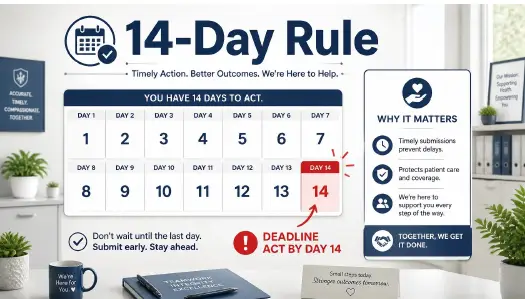
Here’s the catch: the 14-day rule doesn't care if you don't feel "hurt" yet. If you wait 15 days because you thought you just had a little "anxiety" and then realize you have debilitating PTSD or a neck injury, you could forfeit your entire $10,000 benefit. That money is there to help you cover medical evaluations, X-rays, and the path to recovery. Don't let a deadline take away the resources you deserve. Whether it’s a physical ache or an emotional weight, getting evaluated at an Accident Injury Clinic within those first two weeks is the only way to protect your rights.
Why Choose an Accident Injury Clinic Over the ER?
In the chaos following an accident, many people's first instinct is to head to the nearest Emergency Room or Urgent Care. While those places are vital for life-threatening emergencies, they aren't always the best fit for accident recovery.
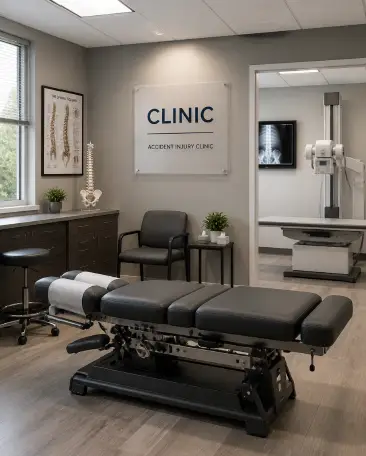
Think about it: ERs are filled with sick people, long wait times, and high stress. If you are already struggling with the early signs of PTSD, sitting in a crowded, noisy waiting room for six hours is the last thing you need. Choosing a specialized Accident Injury Clinic through The Medical Scheduling Department LLC means you are entering a clean, modern, and calm environment designed specifically for accident victims. Our network of chiropractors understands the specific mechanics of car accidents. They know how to look for the "invisible" injuries, like whiplash or the early signs of traumatic stress, that a general doctor might overlook. We focus on providing a supportive environment where you can get the X-rays and evaluations you need without the added stress of a hospital setting.
How We Help You Navigate the Chaos
We know that right now, your world feels upside down. Between dealing with insurance companies, worrying about your car, and trying to process the emotional weight of what happened, the last thing you want to do is hunt for a doctor. That’s where we come in. By calling 855-Sched-it, you are reaching out to a team that acts as your steady hand in a chaotic situation. We take the guesswork out of the process. We help you find a specialized Clinic that accepts Florida PIP insurance and ensure you get seen within that critical 14-day window. We aren't just a scheduling service; we are your neighbors here in the community, and we want to make sure you have the support you need to heal, both physically and mentally.
FAQ: Your Questions Answered
Q: Can PIP really cover mental health or PTSD? A: Yes, it can. If a licensed provider determines that the psychological treatment is "medically necessary" and directly related to the accident, PIP benefits can be used to help cover those costs. The key is getting that initial evaluation on record within the first 14 days.
Q: I wasn't the driver. Can I still get help? A: Absolutely. Whether you were a passenger, a driver, or even a pedestrian involved in the accident, you likely have access to PIP benefits through your own auto insurance or a household member’s policy.
Q: What if I don't have any broken bones? A: You don't need "broken bones" to be injured. Soft tissue injuries like whiplash and psychological injuries like PTSD are incredibly common and very serious. Our clinics specialize in these types of injuries.
Q: Why shouldn't I just go to my regular family doctor? A: Many primary care physicians (PCPs) actually refuse to see patients for auto accidents because the billing process is entirely different from regular health insurance. At an Accident Injury Clinic, we specialize in PIP billing, so you don't have to worry about the paperwork.
Taking the First Step Toward Healing
The tragedy in Clay County is a reminder of how quickly life can change. If you or someone you love was involved in this crash, or any accident, please don't ignore the "invisible" signs of trauma. Whether it's a persistent headache, a "pins and needles" feeling in your arms, or a sense of dread every time you see a car, these are signals that your body and mind need help. Call us today at 855-Sched-it. Let us help you navigate the "hidden rules" of Florida insurance so you can focus on what really matters: getting back to being yourself. You don’t have to carry this weight alone. We are here to guide you every step of the way.
Legal Disclaimer and Statutory Disclosures: The Medical Scheduling Department LLC is a medical scheduling service and is not a l w firm or a medical provider. The information provided in this blog is for informational purposes only and does not constitute legal or medical advice. Florida’s Personal Injury Protection (PIP) laws are subject to specific statutory requirements, including the 14-day rule established under Florida Statute §627.736. Failure to receive initial services and care from a qualified provider within 14 days of a motor vehicle accident may result in the loss of PIP benefits. Coverage for psychological trauma, including PTSD, is subject to a determination of medical necessity and the specific terms of your insurance policy. We recommend consulting with a qualified medical professional for diagnosis and treatment, and a licensed Florida attorney for legal advice regarding your specific claim.
